Just Fill And Go

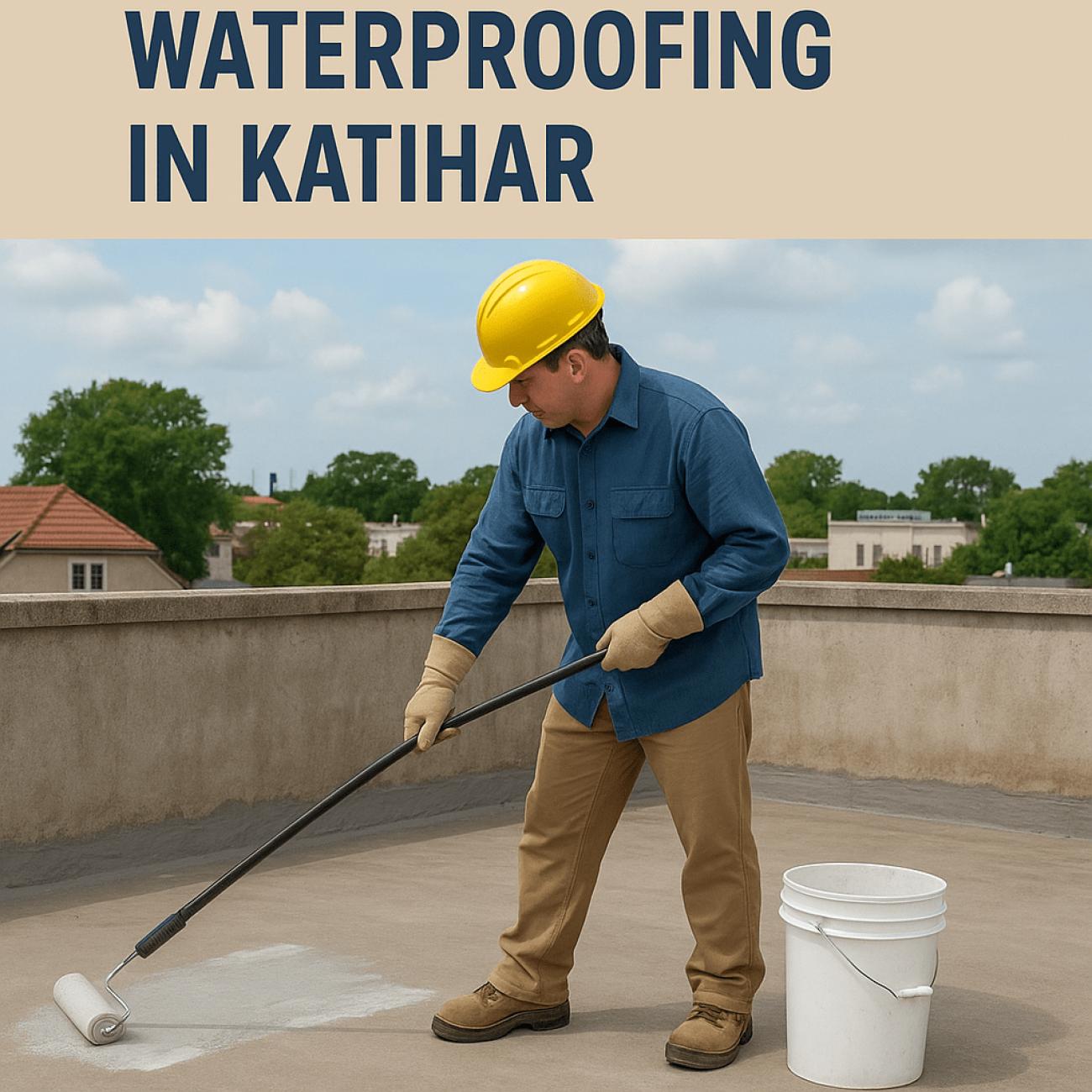
Terrace waterproofing is an essential part of building maintenance and protection. In both residential and commercial buildings, the terrace is directly exposed to harsh weather conditions—intense sun, heavy rain, and temperature fluctuations. Without proper waterproofing, water seeps through the slab and leads to leakage, dampness, cracks, mold growth, and weakened structural strength.
In this comprehensive blog, we’ll walk you through the importance of terrace waterproofing, the best methods available, material comparison, cost estimates, and FAQs. This guide is ideal for homeowners, builders, and property managers looking to safeguard their properties effectively.
Terrace or roof slab is one of the most vulnerable areas for water seepage due to direct exposure to rainfall and sunlight. Here’s why waterproofing is a must:
| Problem Without Waterproofing | Impact |
|---|---|
| Water leakage | Damage to ceilings and interior paint |
| Mold and fungal growth | Health issues and foul smell |
| Structural damage | Weakening of slabs and beams |
| Plaster deterioration | Flaking, peeling, and surface cracks |
| Energy loss | Poor insulation and increased AC costs |
Choosing the right waterproofing method depends on roof condition, budget, and expected lifespan. Here are some widely used options:
| Method | Materials Used | Best For |
|---|---|---|
| Liquid Membrane Coating | Acrylic, PU, or bitumen-based coatings | Residential roofs, balconies |
| APP Membrane | Atactic Polypropylene bitumen sheet | Large terraces, exposed roofs |
| PU Waterproofing | Polyurethane coatings | Flat roofs, concrete slabs |
| Cementitious Waterproofing | Polymer-modified cement slurry | Bathrooms, small terrace areas |
| EPDM / TPO Membrane | Synthetic rubber or plastic sheets | Commercial terraces, solar rooftops |
| Injection Grouting | PU/Epoxy resins injected into cracks | Seepage due to cracks in terrace slab |
Here’s a comparison of popular materials used for terrace waterproofing:
| Material | Durability | UV Resistance | Elasticity | Waterproofing Strength |
|---|---|---|---|---|
| Acrylic Coating | Medium | Good | Medium | Moderate |
| PU Coating | High | Excellent | High | Very High |
| APP Membrane | Very High | Good | Medium | High |
| Cementitious Coating | Low | Low | Low | Moderate |
| TPO Membrane | Very High | Excellent | High | Excellent |
If you observe any of the following symptoms, it's time to waterproof your terrace:
Paint peeling off ceiling
Water dripping after rains
Visible cracks on the terrace floor
Damp patches on interior walls
Black mold growth
Professional terrace waterproofing involves multiple stages. Here’s a step-by-step breakdown:
Inspection & Surface Cleaning
Remove dust, algae, debris, and old coatings from the surface.
Crack Filling
Seal visible cracks using PU or epoxy sealants.
Primer Application
A bonding primer is applied for proper adhesion of the waterproof layer.
Waterproofing Layer
Coating or membrane (depending on method) is applied in 2–3 layers.
Protective Screed or UV Layer
A protective screed (cement layer) or UV-resistant topcoat is applied for durability.
The cost of waterproofing a terrace varies based on method, material, and labor. Below is an average cost table:
| Method | Approximate Cost (₹/Sq. Ft.) |
|---|---|
| Acrylic Liquid Coating | ₹30 – ₹45 |
| PU Waterproofing | ₹50 – ₹80 |
| APP Membrane | ₹60 – ₹100 |
| Cementitious Waterproofing | ₹25 – ₹40 |
| TPO/EPDM Membranes | ₹100 – ₹200 |
Note: For accurate pricing, a site inspection is recommended.
Choosing the right contractor ensures long-lasting results. Here’s what to check:
Experience in terrace waterproofing
Use of branded, ISI-marked materials
Detailed site inspection and written quote
Warranty of 5–10 years
Photos of past work or client references
To keep your waterproofing intact:
Inspect the terrace annually
Clear drainage outlets before every monsoon
Recoat or repair small cracks as needed
Avoid heavy plant pots directly on membrane-coated areas
A: PU coating and APP membrane are highly durable and effective for flat terrace waterproofing. TPO or EPDM membranes are also excellent for commercial roofs.
A: Quality terrace waterproofing can last 8 to 15 years, depending on the material and maintenance.
A: DIY waterproofing is possible using acrylic coatings, but for lasting results, professional application is recommended.
A: In most cases, yes—especially if there’s water seepage from cracks underneath. However, some coatings can be applied over existing tiles.
A: It depends on the material. Acrylic and cementitious coatings cure in 3–4 days. PU and membrane systems may need 5–7 days for full setting.
