Just Fill And Go
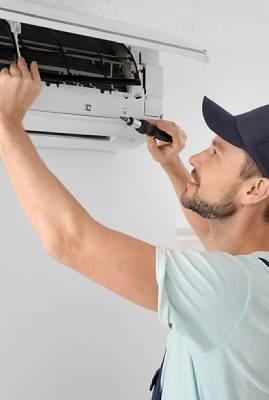
New York is a vibrant, dense, and ever?bustling metropolis. Among its many charms—skyscrapers, cultural diversity, food scenes—comes one of its less glamorous realities: pests. Whether you live in Manhattan high?rises, the brownstones of Brooklyn, or the suburbs of Long Island, the need for effective Pest Control in New York is a constant. This article walks you through what you need to know: common pests, regulations, best practices, costs, and choosing the right provider for Pest Control in New York. Treat this your one?stop resource to keep your home or business pest?free.
Living in New York poses unique challenges when it comes to pests:
High population density: More people means more potential for pest problems—more food waste, more hiding places, easier spread.
Old infrastructure: Many buildings are old; cracks, aging plumbing, poorly sealed windows and walls give pests easy entry.
Seasonal swings: Hot, humid summers encourage roaches, mosquitoes, and flies. Winters send rodents seeking warmth indoors.
Regulation & health codes: NYC and New York State have strict regulations regarding pests, especially in businesses, restaurants, and multi?unit dwellings. Professionals must be licensed; failure to comply can lead to fines. nyc-business.nyc.gov+1
Thus, Pest Control in New York is not a luxury—it’s essential for health, safety, and comfort.
Here are the pests New Yorkers most often contend with, plus why ignoring them is risky:
| Pest | Why They’re a Problem |
|---|---|
| Rats & Mice | Carry disease, chew wiring & insulation, damage structures. Their numbers surge in winter. NYC even created a “rat czar” position to tackle the problem. TIME+1 |
| Cockroaches | Trigger allergies, spread pathogens, are notoriously resilient. Cockroach infestations are tough once established. |
| Bed Bugs | Travel well with people, hard to eliminate, cause distress and cost. They’re a big issue in many NYC apartments and hotels. |
| Flies & Mosquitoes | Disease vectors; high nuisance value especially in summer. Mosquitoes are also a public health concern. |
| Termites | Can silently damage structures, causing expensive harm before you even know they’re there. |
| Wildlife/Nuisance Animals (squirrels, raccoons, bats) | Can spread disease, damage property, cause noise, and complicate pest control efforts. |
For all these, proactive Pest Control in New York strategies pay off far more than reactive ones.
If you’re hiring someone to do Pest Control in New York, knowing the rules helps you make a smart choice.
The NYC Department of Health & Mental Hygiene requires pest control professionals to be licensed. Improper use of chemicals can endanger people, pets, and the environment. nyc-business.nyc.gov
New York State has pesticide laws and a Pesticide Poisoning Registry. Professionals must follow safe application protocols. New York State Department of Health
For landlords and commercial property owners, there are legal obligations to address infestations. Issues like rats or bed bugs are not just nuisances—they can be code violations. Reddit+2nycpestscontrol.com+2
Here are proven strategies to make pest control effective and lasting:
Integrated Pest Management (IPM)
This approach combines inspection, exclusion (sealing points of entry), sanitation, monitoring, and minimal use of chemicals. It’s safer, more sustainable, and often required by regulatory bodies. Many New York pest control companies offer IPM. standardpest.com+1
Regular Inspections
Early detection of pest problems (rodents, cockroaches, termites, etc.) allows for smaller, less costly interventions.
Seal Entry Points & Maintain Cleanliness
Cracks in walls, gaps around pipes, doors, windows—seal them. Ensure garbage is stored properly. Remove standing water. Reduce clutter. All these reduce pest habitat.
Seasonal Treatments
Different pests are more active at different times of year. For example, spring and summer bring increased insect activity. Effective Pest Control in New York plans often schedule treatments accordingly.
Follow?Up & Monitoring
A one?off treatment might not suffice. Monitoring to see if pests return, then follow?up treatments or preventive measures, are crucial.
Use Licensed Professionals
Some chemicals and techniques are hazardous if misused. Hiring licensed, insured, and reputable providers ensures safety and accountability.
When selecting a company or professional, consider these criteria:
| Criteria | What to Look For |
|---|---|
| Licensing & Credentials | Are they licensed by the state/NYC? Belong to professional pest control associations? |
| Experience & Specialization | Do they have experience with the specific pest you’re dealing with (bed bugs vs. rodents vs. termites)? Residential/commercial difference? |
| Safety & Environmental Practices | Use of IPM, non?toxic or low?toxicity treatments, pet/kid safe options, minimal chemical use. |
| Guarantees & Follow?ups | Some companies offer guarantees (e.g. if pests return within a time period). Follow?up visits often included. |
| Reviews & Reputation | What do prior customers say? Are there many complaints? Does the company have good local standing? |
| Transparent Pricing | Upfront estimates, clear what is included (number of visits, materials, follow?ups), no hidden fees. |
Cost can vary widely depending on:
Type of pest
Severity of infestation
Size of property and number of units
Frequency of treatments (one?time vs. recurring)
Chemicals / methods used (e.g. green / environmentally safe methods often cost more)
In New York, typical figures might include:
Basic service for small infestation: US$100?300 or more depending on pest and property size.
Quarterly/regular maintenance plans: maybe US$40?60/month or more, depending on frequency and coverage. HomeGuide
For major pests (bed bugs, termites) or widespread rodent issues, treatments can run higher, especially if specialized or multi?unit building work is needed.
Remember: paying more for a reliable, safe, and effective job often saves more in the long run than cheap quick fixes.
Here are some well?regarded companies and what makes them stand out:
Standard Pest Management: Serving NYC, Long Island, Westchester for decades. Offers commercial and residential services; strong on IPM and green treatments. standardpest.com+1
NYC Extermination: Over 25 years of experience; handles both residential and commercial; provides free estimates. New York City Extermination
Orkin New York: Well?known national name; offers multiple branches, a wide variety of pests treated, good guarantee policies. orkin.com
One Hour Pest Control (NYC): 24?hour service, many common pests handled, prevention programs included. onehourpestcontrol.nyc
Choosing one provider out of these (or others with strong local reviews) and ensuring you understand their method, guarantees, and safety is key.
There are some things homeowners can do themselves, but many situations require professional help. Here is a comparison:
| DIY Actions | When They Help / Limitations |
|---|---|
| Traps, baits, basic sealant work | Good for small pest issues, early detection, prevention. Often not enough for severe infestations. |
| Cleaning, decluttering, proper garbage disposal, reducing moisture | Always helpful, vital for prevention. But may not eliminate an existing infestation. |
| Over?the?counter sprays or repellents | Sometimes useful, but can be ineffective if pests are hidden, covering larger areas, or resistant. Also risk of misuse. |
| Full inspections, chemical treatments, bed bug elimination, structural pest exclusion | Usually require professional tools, expertise, credentials. Best left to professionals. |
When you try DIY and fail, the infestation may worsen, meaning higher costs later. For hard?to?kill pests like bed bugs or invasive rodents, professional Pest Control in New York is almost always necessary.
New York City is not passive. Some recent efforts show innovation:
The city has introduced more proactive rodent control measures, such as mapping rodent hotspots, training programs, and stronger enforcement of property maintenance. Wikipedia+2TIME+2
New policies require waste containers to be more secure to reduce rodent food sources. Trash management plays a big part of the Pest Control in New York ecosystem. New York Post+1
These show that controlling pests is not just about chemicals or sprays—it’s about infrastructure, policy, and collective responsibility.
If you live in New York, here are actionable tips to protect yourself and your property:
Inspect regularly: Check for droppings, droplet stains, teeth marks, unusual noises. Look behind appliances, under sinks, basements.
Seal entry points: Caulk, use door sweeps, cover vents, seal cracks. Even small spaces are often enough for rats or cockroaches.
Keep food sealed & clean: Unsealed food or crumbs invite pests. Clean up spills immediately.
Manage garbage smartly: Put out trash only when needed, use secure bins. Don’t leave bags overnight outdoors if possible.
Watch moisture: Fix leaks, reduce standing water, dehumidify damp basements. Many pests need moisture.
Know your landlord/tenant rights: In many NYC cases, landlords are responsible for pest control under housing codes. If they don’t respond, you may report to 311 or local agencies. Reddit+1
Don’t wait until pests are rampant. Call in for Pest Control in New York immediately when:
You find droppings, nests, or signs of rodent chew marks.
You see or suspect bed bugs (even a few bites).
Cockroach sightings at night, especially in kitchen or food prep areas.
Property damage or structural issues.
Infestations spreading between units (apartment or shared buildings).
Delaying will make the job bigger, more expensive, and potentially more hazardous.
Pest Control in New York is a multifaceted challenge—encompassing legal, health, environmental, structural and behavioral aspects. But the good news is, there are clear, proven strategies and reputable providers that make success very achievable.
To recap:
Prioritize prevention via cleanliness, sealing, inspections.
Use licensed professionals when needed, especially for difficult pests.
Understand your rights and local regulations.
Use IPM and eco?friendly methods when possible.
Don’t delay—early action saves time, money, and stress.
If you stay vigilant, choose well, and act smart, living in New York does not mean living with pests. You can have a home or business that’s safe, comfortable, and pest?free.New York is a vibrant, dense, and ever?bustling metropolis. Among its many charms—skyscrapers, cultural diversity, food scenes—comes one of its less glamorous realities: pests. Whether you live in Manhattan high?rises, the brownstones of Brooklyn, or the suburbs of Long Island, the need for effective Pest Control in New York is a constant. This article walks you through what you need to know: common pests, regulations, best practices, costs, and choosing the right provider for Pest Control in New York. Treat this your one?stop resource to keep your home or business pest?free.
Living in New York poses unique challenges when it comes to pests:
High population density: More people means more potential for pest problems—more food waste, more hiding places, easier spread.
Old infrastructure: Many buildings are old; cracks, aging plumbing, poorly sealed windows and walls give pests easy entry.
Seasonal swings: Hot, humid summers encourage roaches, mosquitoes, and flies. Winters send rodents seeking warmth indoors.
Regulation & health codes: NYC and New York State have strict regulations regarding pests, especially in businesses, restaurants, and multi?unit dwellings. Professionals must be licensed; failure to comply can lead to fines. nyc-business.nyc.gov+1
Thus, Pest Control in New York is not a luxury—it’s essential for health, safety, and comfort.
Here are the pests New Yorkers most often contend with, plus why ignoring them is risky:
| Pest | Why They’re a Problem |
|---|---|
| Rats & Mice | Carry disease, chew wiring & insulation, damage structures. Their numbers surge in winter. NYC even created a “rat czar” position to tackle the problem. TIME+1 |
| Cockroaches | Trigger allergies, spread pathogens, are notoriously resilient. Cockroach infestations are tough once established. |
| Bed Bugs | Travel well with people, hard to eliminate, cause distress and cost. They’re a big issue in many NYC apartments and hotels. |
| Flies & Mosquitoes | Disease vectors; high nuisance value especially in summer. Mosquitoes are also a public health concern. |
| Termites | Can silently damage structures, causing expensive harm before you even know they’re there. |
| Wildlife/Nuisance Animals (squirrels, raccoons, bats) | Can spread disease, damage property, cause noise, and complicate pest control efforts. |
For all these, proactive Pest Control in New York strategies pay off far more than reactive ones.
If you’re hiring someone to do Pest Control in New York, knowing the rules helps you make a smart choice.
The NYC Department of Health & Mental Hygiene requires pest control professionals to be licensed. Improper use of chemicals can endanger people, pets, and the environment. nyc-business.nyc.gov
New York State has pesticide laws and a Pesticide Poisoning Registry. Professionals must follow safe application protocols. New York State Department of Health
For landlords and commercial property owners, there are legal obligations to address infestations. Issues like rats or bed bugs are not just nuisances—they can be code violations. Reddit+2nycpestscontrol.com+2
Here are proven strategies to make pest control effective and lasting:
Integrated Pest Management (IPM)
This approach combines inspection, exclusion (sealing points of entry), sanitation, monitoring, and minimal use of chemicals. It’s safer, more sustainable, and often required by regulatory bodies. Many New York pest control companies offer IPM. standardpest.com+1
Regular Inspections
Early detection of pest problems (rodents, cockroaches, termites, etc.) allows for smaller, less costly interventions.
Seal Entry Points & Maintain Cleanliness
Cracks in walls, gaps around pipes, doors, windows—seal them. Ensure garbage is stored properly. Remove standing water. Reduce clutter. All these reduce pest habitat.
Seasonal Treatments
Different pests are more active at different times of year. For example, spring and summer bring increased insect activity. Effective Pest Control in New York plans often schedule treatments accordingly.
Follow?Up & Monitoring
A one?off treatment might not suffice. Monitoring to see if pests return, then follow?up treatments or preventive measures, are crucial.
Use Licensed Professionals
Some chemicals and techniques are hazardous if misused. Hiring licensed, insured, and reputable providers ensures safety and accountability.
When selecting a company or professional, consider these criteria:
| Criteria | What to Look For |
|---|---|
| Licensing & Credentials | Are they licensed by the state/NYC? Belong to professional pest control associations? |
| Experience & Specialization | Do they have experience with the specific pest you’re dealing with (bed bugs vs. rodents vs. termites)? Residential/commercial difference? |
| Safety & Environmental Practices | Use of IPM, non?toxic or low?toxicity treatments, pet/kid safe options, minimal chemical use. |
| Guarantees & Follow?ups | Some companies offer guarantees (e.g. if pests return within a time period). Follow?up visits often included. |
| Reviews & Reputation | What do prior customers say? Are there many complaints? Does the company have good local standing? |
| Transparent Pricing | Upfront estimates, clear what is included (number of visits, materials, follow?ups), no hidden fees. |
Cost can vary widely depending on:
Type of pest
Severity of infestation
Size of property and number of units
Frequency of treatments (one?time vs. recurring)
Chemicals / methods used (e.g. green / environmentally safe methods often cost more)
In New York, typical figures might include:
Basic service for small infestation: US$100?300 or more depending on pest and property size.
Quarterly/regular maintenance plans: maybe US$40?60/month or more, depending on frequency and coverage. HomeGuide
For major pests (bed bugs, termites) or widespread rodent issues, treatments can run higher, especially if specialized or multi?unit building work is needed.
Remember: paying more for a reliable, safe, and effective job often saves more in the long run than cheap quick fixes.
Here are some well?regarded companies and what makes them stand out:
Standard Pest Management: Serving NYC, Long Island, Westchester for decades. Offers commercial and residential services; strong on IPM and green treatments. standardpest.com+1
NYC Extermination: Over 25 years of experience; handles both residential and commercial; provides free estimates. New York City Extermination
Orkin New York: Well?known national name; offers multiple branches, a wide variety of pests treated, good guarantee policies. orkin.com
One Hour Pest Control (NYC): 24?hour service, many common pests handled, prevention programs included. onehourpestcontrol.nyc
Choosing one provider out of these (or others with strong local reviews) and ensuring you understand their method, guarantees, and safety is key.
There are some things homeowners can do themselves, but many situations require professional help. Here is a comparison:
| DIY Actions | When They Help / Limitations |
|---|---|
| Traps, baits, basic sealant work | Good for small pest issues, early detection, prevention. Often not enough for severe infestations. |
| Cleaning, decluttering, proper garbage disposal, reducing moisture | Always helpful, vital for prevention. But may not eliminate an existing infestation. |
| Over?the?counter sprays or repellents | Sometimes useful, but can be ineffective if pests are hidden, covering larger areas, or resistant. Also risk of misuse. |
| Full inspections, chemical treatments, bed bug elimination, structural pest exclusion | Usually require professional tools, expertise, credentials. Best left to professionals. |
When you try DIY and fail, the infestation may worsen, meaning higher costs later. For hard?to?kill pests like bed bugs or invasive rodents, professional Pest Control in New York is almost always necessary.
New York City is not passive. Some recent efforts show innovation:
The city has introduced more proactive rodent control measures, such as mapping rodent hotspots, training programs, and stronger enforcement of property maintenance. Wikipedia+2TIME+2
New policies require waste containers to be more secure to reduce rodent food sources. Trash management plays a big part of the Pest Control in New York ecosystem. New York Post+1
These show that controlling pests is not just about chemicals or sprays—it’s about infrastructure, policy, and collective responsibility.
If you live in New York, here are actionable tips to protect yourself and your property:
Inspect regularly: Check for droppings, droplet stains, teeth marks, unusual noises. Look behind appliances, under sinks, basements.
Seal entry points: Caulk, use door sweeps, cover vents, seal cracks. Even small spaces are often enough for rats or cockroaches.
Keep food sealed & clean: Unsealed food or crumbs invite pests. Clean up spills immediately.
Manage garbage smartly: Put out trash only when needed, use secure bins. Don’t leave bags overnight outdoors if possible.
Watch moisture: Fix leaks, reduce standing water, dehumidify damp basements. Many pests need moisture.
Know your landlord/tenant rights: In many NYC cases, landlords are responsible for pest control under housing codes. If they don’t respond, you may report to 311 or local agencies. Reddit+1
Don’t wait until pests are rampant. Call in for Pest Control in New York immediately when:
You find droppings, nests, or signs of rodent chew marks.
You see or suspect bed bugs (even a few bites).
Cockroach sightings at night, especially in kitchen or food prep areas.
Property damage or structural issues.
Infestations spreading between units (apartment or shared buildings).
Delaying will make the job bigger, more expensive, and potentially more hazardous.
Pest Control in New York is a multifaceted challenge—encompassing legal, health, environmental, structural and behavioral aspects. But the good news is, there are clear, proven strategies and reputable providers that make success very achievable.
To recap:
Prioritize prevention via cleanliness, sealing, inspections.
Use licensed professionals when needed, especially for difficult pests.
Understand your rights and local regulations.
Use IPM and eco?friendly methods when possible.
Don’t delay—early action saves time, money, and stress.
If you stay vigilant, choose well, and act smart, living in New York does not mean living with pests. You can have a home or business that’s safe, comfortable, and pest?free.